
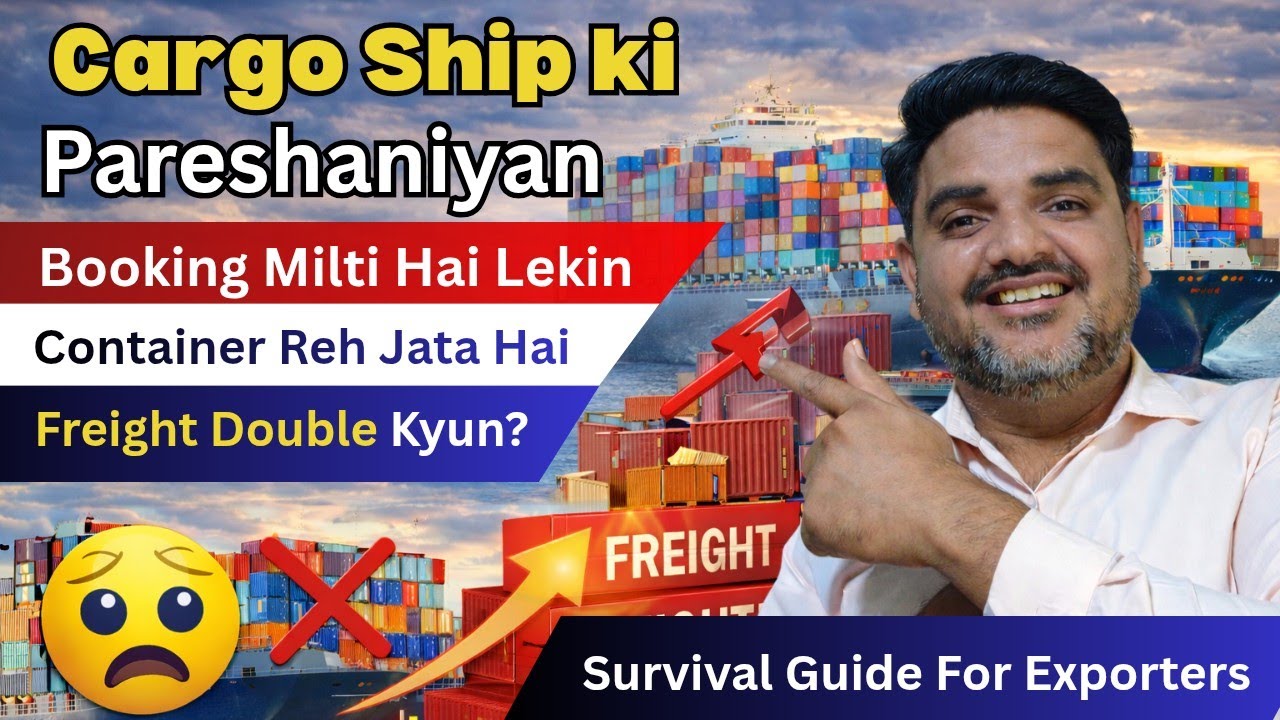

The import-export business is often romanticized as a world of international travel and global trade, but the ground reality involves navigating a complex web of logistics that can change in an instant. For many exporters, the frustration of having a confirmed booking only to see their container left behind at the terminal has become a common challenge.
This guide breaks down the current logistical hurdles facing exporters today—specifically why containers are dropped, the impact of doubling freight rates, and practical strategies to protect your business and reputation.
Why Do Shipping Lines Drop Confirmed Bookings?
It is a common and frustrating scenario: you receive a booking confirmation, load your container, and clear it through terminal customs, yet the vessel departs without your cargo. Understanding the excuses and actual reasons behind these delays is the first step in managing them.
- Lack of Vessel Space: The most frequent reason cited by shipping companies is that the vessel is full. Even with a confirmation, lines may overbook or prioritize other cargo, leaving your container on the dock.
- Missing the Cut-off Date: Shipping lines provide a strict cut-off date for terminal clearance. If your container is not cleared and positioned in time, it will not be loaded.
- Port and Terminal Congestion: Terminals often operate without set standard fees or efficient systems, leading to bottlenecks that prevent timely loading.
The Domino Effect of Shipping Delays
When a container is “dropped” or left behind, the consequences ripple through every part of an export business.
1. Strained Buyer Relationships
Finding reliable international buyers is difficult, and failing to meet a planned shipping date can cause significant upset. For Pakistani exporters, maintaining a strong international reputation is vital, and late deliveries can damage that trust.
2. Payment and Cash Flow Disruptions
Most export payment terms rely on scanned shipping documents. If the container doesn’t ship, you don’t get the documents, and the payment is delayed. This disrupts the entire cash flow cycle, affecting your ability to pay manufacturers and cover daily operational costs.
3. Detention and Demurrage Charges
Once a container enters the terminal, a “free period” (usually 7 to 10 days) begins. If the vessel leaves without your cargo, the daily “meter” starts running. You are then charged rent for the space your container occupies—costs that can quickly escalate into a substantial financial burden.
The Crisis of Doubling Freight Rates
Beyond physical delays, the cost of moving goods has skyrocketed, with freight rates in some cases doubling or even tripling.
- Supply and Demand Imbalance: Following major transport strikes in Pakistan, the movement of containers was paralyzed. This created a backlog that allowed transporters to exploit the situation by charging excessively high rates.
- The Exporter’s Dilemma: You cannot simply stop shipping because goods have already been produced, labor has been paid, and warehouse space is limited. To keep working capital moving and production lines clear, many are forced to pay these “crazy high” costs
Practical Survival Strategies for Exporters
While you cannot control the shipping lines, you can take specific steps to minimize risk and manage buyer expectations.
Build a Time Buffer
Never give a buyer the exact date you hope to load the container. Always include a 7 to 10-day buffer in your shipping schedule. If you ship early, it leaves a great impression; if there’s a delay, you are still within your committed timeframe.
Diversify and Strengthen Logistics
- Multiple Shipping Lines: Do not depend on a single carrier. Maintain contacts with several companies to increase your chances of finding space.
- The “Strong” Freight Forwarder: Your forwarder’s primary job is to secure space and ensure your container gets on the ship. A solid forwarder can find alternative solutions at the last minute, which is exactly what you are paying them for.
Maintain Radical Transparency
If a problem arises, do not lie or make excuses. Be upfront with your buyer about the logistical challenges. Transparency builds long-term trust and allows the buyer to manage their own expectations and sales cycles.
Protect Your Quotations
In a volatile market, always include a freight fluctuation clause in your quotes. Specify the validity period of your rates (e.g., valid for 15 days) so that if freight shoots up before the order is matured, the buyer is aware that costs may be adjusted.
Conclusion: Understanding the System to Survive
The export business is a series of weekly challenges—from vessel delays and customs holds to fluctuating freight. Making a product is the easy part; the real test is mastering the logistics of getting it to the world.
By understanding the system, staying mentally prepared for hurdles, and managing your risks proactively, you can ensure your business doesn’t just ship products, but survives and thrives in the global marketplace.
